What Conditions does PSO Screen for?
You may be offered many different screening tests during pregnancy by a health-care provider. This resource is focused on providing information about screening for the following:
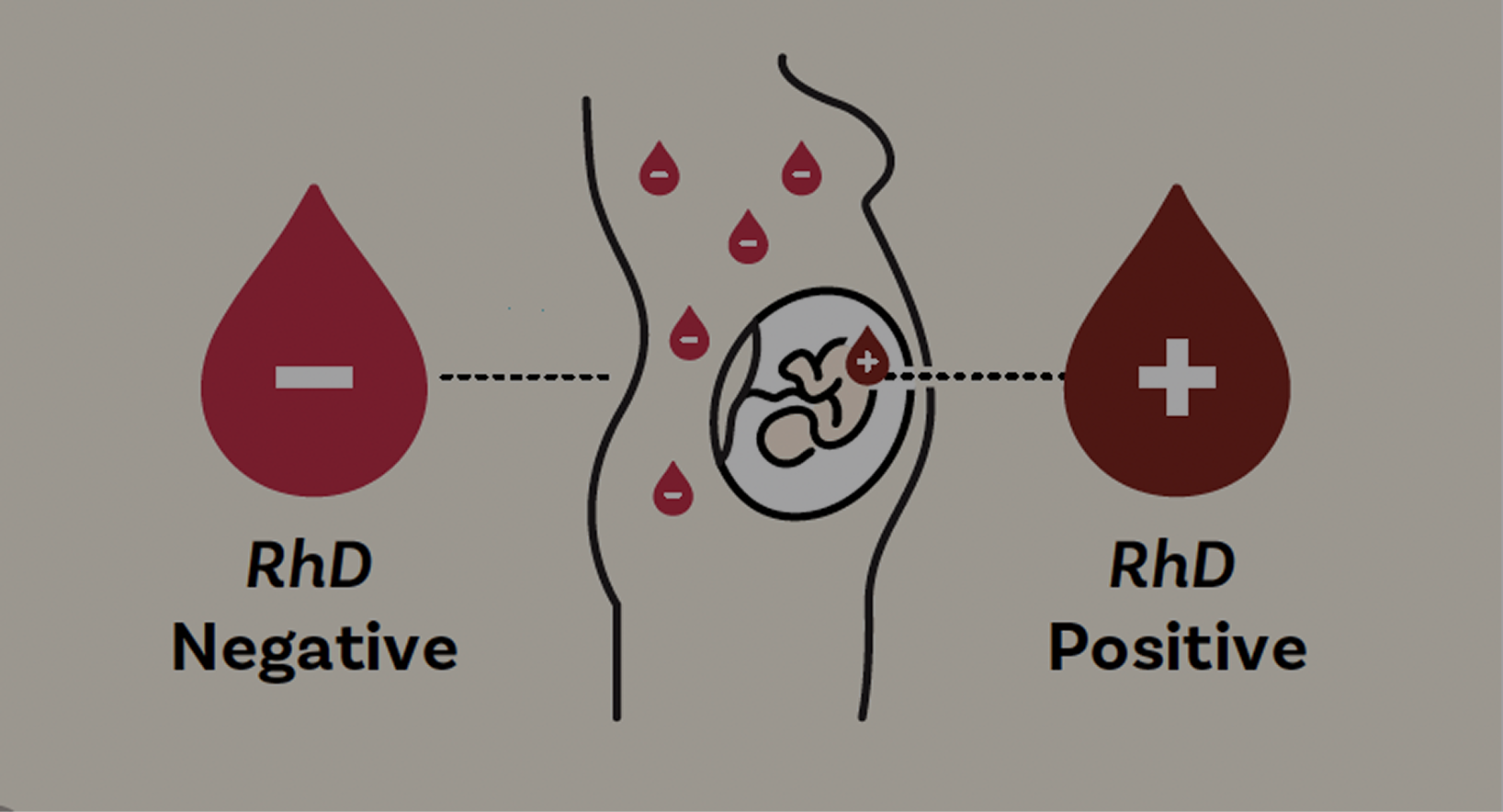
Watch Video: Fetal RHD Screen for the RhD Negative Pregnant Individual
Fetal Blood Type
Screening for fetal blood type is a new screening process available in Ontario starting September 21, 2026.
This information is for you if you:
- Are RhD negative (-) : A negative, B negative, O negative, or AB negative
and/or
- Have tested positive for antibodies that could affect your pregnancy:
anti-D, C, c, E, and/or anti-K (Kell).

What are blood types?
- Every person has their own blood type, this means that your blood type might be different than your baby's. When we talk about fetal blood type, we are referring to the blood type of your baby.
- There are two main systems used to find out your blood type: the ABO system and the Rh system. The ABO system gives you one of four blood types (A, B, AB, or O). The Rhesus (Rh) system tells whether your blood has a protein called RhD. If you have this protein, your blood type is positive. If you don’t have it, your blood type is negative. Your full blood type combines both systems (A +/-, B +/-, AB +/-, O +/-).
- At your first prenatal appointment, you will have a blood test called the ABO, RhD type and antibody screen to find out your blood type and to see if you have antibodies. If your blood type is RhD negative or if antibodies are detected, additional tests and monitoring may be recommended during your pregnancy.

Why is it important to know your blood type and antibody status in pregnancy?
- RhD is important in pregnancy if you are RhD negative and your baby is RhD positive. During pregnancy or at delivery, a small amount of your baby’s blood can sometimes mix with yours. If this is your first pregnancy, this usually won’t cause problems. However, your body can remember the baby’s RhD positive blood and make antibodies against it that can affect future pregnancies.
- In a future pregnancy where the baby is RhD positive, these antibodies can pass to your baby through the placenta. Sometimes, these antibodies can break down your baby’s red blood cells. This can lead to a serious condition called hemolytic disease of the fetus and newborn, or HDFN. HDFN can cause problems like jaundice or low levels of red blood cell levels (known as anemia). Some babies with HDFN may need blood transfusions before or after birth.

How are complications prevented?
- To prevent complications, a health-care provider can give you an injection called RhD immune globulin (RhIG) – during pregnancy and again after birth. RhIG works by stopping your body from making antibodies that could harm a future pregnancy and is effective only if you have not already developed antibodies. It is given at 28 weeks of pregnancy, after delivery, and after any events that might cause your blood to mix with your baby’s blood, like bleeding, certain medical procedures, or trauma.
- RhIG is only needed if your baby is RhD positive.
- If you test positive for anti-D antibodies, RhIG is not needed in your pregnancy.
- If your body has already made antibodies that can affect your baby (e.g. anti-D, C, c, E, and/or anti-K (Kell)), it’s important to find out if your baby has the matching protein (called an antigen). This will help a health-care provider determine if your pregnancy needs close monitoring for signs of HDFN.

What do I do next?
- A health-care provider will order initial prenatal blood work to find out your RhD status and check for red blood cell antibodies.
- If you are RhD negative with no anti-D antibodies, a health-care provider will recommend a blood test called Fetal RHD screening, to find out your baby’s RhD status. If your baby is RhD positive, RhIG treatment will be recommended.
- If you test positive for anti-D, C, c, E, and/or anti-K (Kell) antibodies, a health-care provider will recommend a blood test called Alloimmunized Fetal Blood Group Genotyping (Allo-FBGG) to find out if your baby has the matching protein (called an antigen) on their red blood cells. This will help a health-care provider determine if your pregnancy needs close monitoring for signs of HDFN. If your baby does not have the matching protein, there is no risk of HDFN, and your pregnancy won’t need extra monitoring.

Related Information
Alloimmunized Fetal Blood Group Genotyping (Allo-FBGG)
Your initial prenatal blood work will check for red blood cell antibodies. Although uncommon, if you test positive for these antibodies, it means that you have been exposed to a blood type that is different from your own. This information is important to know as it will guide you and your health-care provider to make important decisions about your pregnancy care.
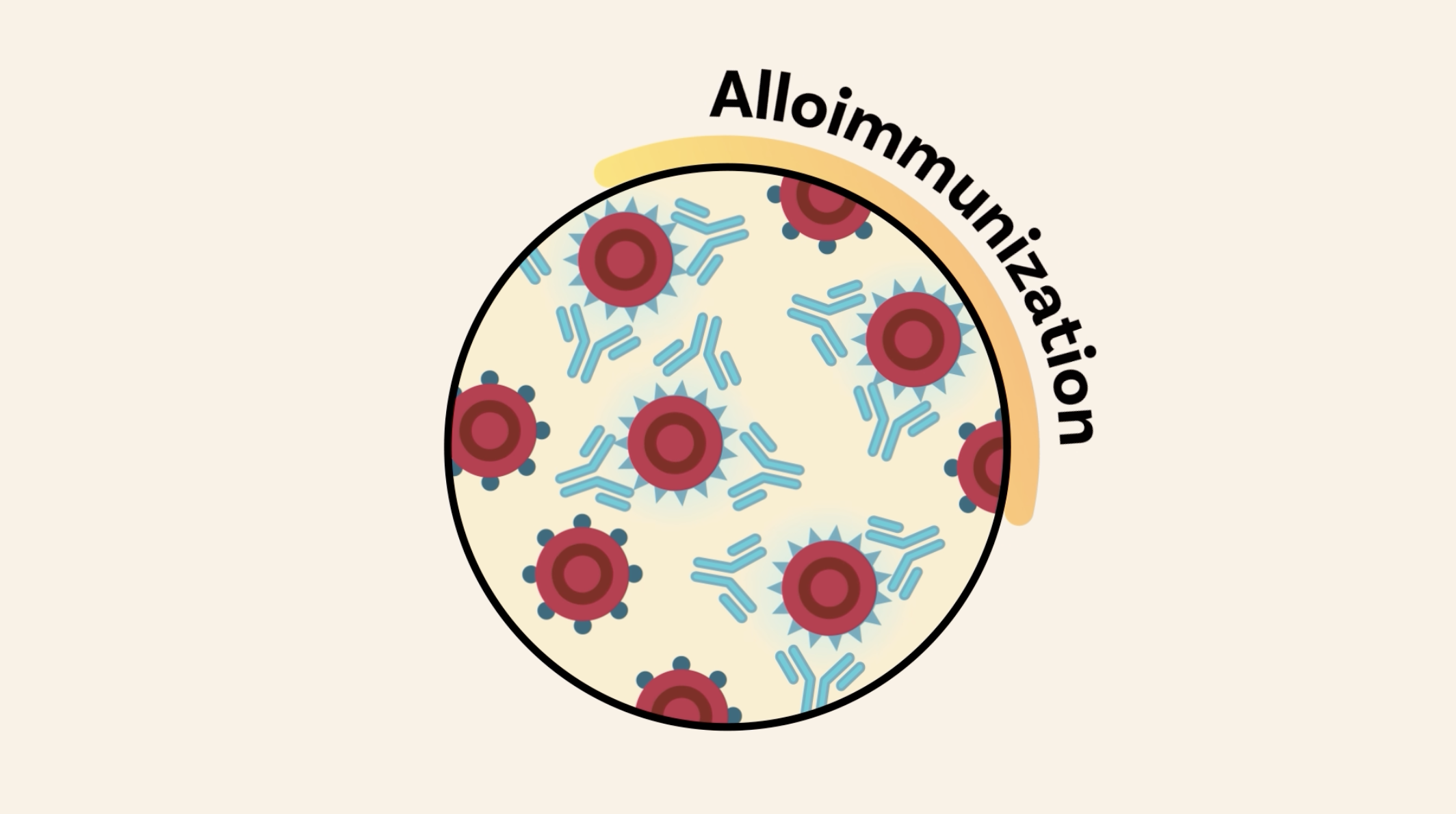
Watch Video: Alloimmunized Fetal Blood Group Genotyping for pregnant individuals with antibodies

For more information on these conditions...
Visit the Prenatal Screening Ontario website: What we screen for